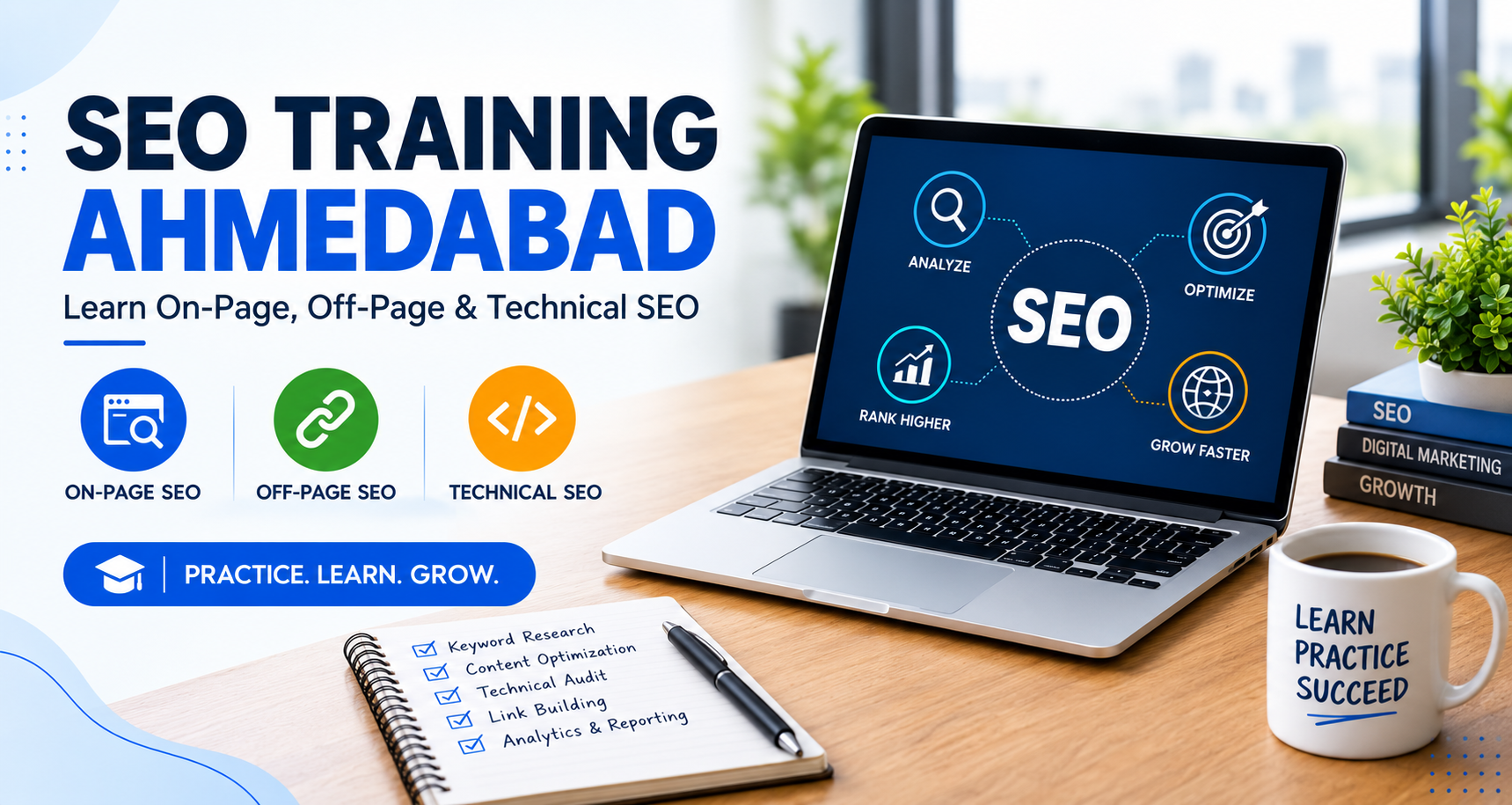
Today the Internet takes over everything; it is important for big and small names. SEO content strategy aims to improve website visibility on search engine results pages (SERPs). This can be achieved by optimizing the different sections of a site while using some tricks to draw as many organic visitors as possible; thus making it easier to transit from one’s website to another or buy what someone is selling on their website.
What Is SEO Content Strategy?
An SEO content strategy is a methodical plan for crafting, curating, and promoting content to improve search engine rankings on websites and drive organic traffic. It involves a targeted approach toward an in-depth understanding of the audience, proper research on the most relevant keywords, and the generation of quality content that meets the needs and interests of the users, all in adherence to the best practices in search engine optimization.
Topic planning, including developing a calendar that encompasses all topics to include and scheduling for publication. The process of making all the pages on the website search-engine-friendly by optimizing the meta tags is referred to as on-page SEO, whereby keywords are used naturally, and load speed and mobile-friendliness are improved. Social media, email marketing, and influencer outreach are mainly used for content promotion, to project the content on a larger platform, and to acquire those backlinks.
The content needs to be continuously monitored and updated based on performance data and SEO trends to maintain search rankings. A more effective SEO content strategy should also enhance user experience, build brand authority, and deliver long-term positive results realized by sustained organic traffic.
Key Components Of SEO Content Strategy
1. Keyword Research
This forms the core of any effective search engine-optimized content strategy. That is, it determines the kind of words and phrases used in a search by the target audience for information, products, or services related to whatever a business does. So, knowing the most relevant and valuable keywords will help you craft content that solves the audience’s problems answers their questions, and ranks well in SERPs.
Identify search terms and phrases that members of your target audience use. This will allow you to keyword your material towards expected searches Get some ideas together – list all the words you can think of that a searcher might enter.
Keyword Research Steps
1. Use Keyword Research Tools: Use keyword tools such as Google Keyword Planner, Ahrefs, SEMrush, and Moz Keyword Explorer. They help you get search volume data, keyword difficulty, and more related keywords so that you can refine your list.
2. Competitor Analysis: Check out the keywords and phrases your competitors are targeting; this will provide insight into where potential opportunities and gaps lie in your strategy. Tools allowing the look-up of keywords competitors are ranking for include Ahrefs and SEMrush.
3. Long-Tail Keywords: Use more long-tail keywords. These kinds of keywords are long, more precise phrases, mainly concerned with targeting users who have a clear intent of what they are looking for. The volume of these kinds of keywords is less, but the conversion rate is higher.
4. Search Intent: Understand the intent behind each keyword. Keywords can represent different kinds of intent, say(seeking information), navigational (looking for a specific website), or transactional (ready to make a purchase). Tailor your content
Read Also: Best SEO Companies In Ahmedabad 2025
2. Content Planning
It forms a very core part of an SEO content strategy. The structured employment of a content plan means organizing and scheduling content to produce a consistent stream of content to engage an audience while ensuring it is on a given topic and meets the SEO goals.
With effective content planning, there’s always a flow of high-quality content that correctly targets an audience. Make the most out of the opportunities that are there for your website by doing the following steps.
Steps in Content Planning
1. Define Content Goals: To start, have well-outlined goals with your content. It could be an objective of growing organic reach, driving more engagement, fostering leads, and/or increasing conversions. Your goals shall hence guide your content planning and will reflect success through measurement.
2. Know Your Audience: Develop detailed buyer personas that describe, to an extent, the precise needs, interests, and pain points of your audience. This will enable you to specifically fine-tune your content to cater to those needs & preferences.
3. Set Topics and Deadlines: Assign topics to certain team members and set deadlines for creating, revising, and publishing content. Clear assignment of topics and deadlines for delivery can hold everyone accountable and allow your content schedule to be followed.
4. Plan for SEO Optimization: Ensure that each piece of content is optimized according to search engine specifications. This typically involves using targeted keywords naturally within the text and optimizing with meta tags, both for internal & outgoing links. Also, ensure content is friendly to mobiles and loads fast.
3. Content Creation
Content creation forms the backbone of any SEO content strategy. It deals with the development of good, relevant, engaging, and useful content that speaks to your target audience’s needs & interests while aggregating the best practices in SEO.
You want to come up with content that will drive visitors to your site, ensure they stay around a little, engage with your content, and finally turn them into customers.
Content Creation Steps
1. Define Content Types: Depending on the audience’s choices and business goals, decide what kind of content you want to create. These may range from simple blog posts or articles to videos, infographics, podcasts, or even e-books and social media posts. Diversification in content types engages multiple segments of an audience.
2. High-Quality Content: Make sure you come up with information that is informative, well-researched, and full of value for your target audience. Ensure what is written answers their questions and solves their problems. High-quality content builds trust and will aid in building your authority in the niche.
3. Internal and External Links: Add internal links within a page to other relevant pages on the website. This won’t make visitors get bored by staying on your site; thus, bounce rates go low. External links from authoritative sources increase the credibility of your content and add more value to your readers.
4. Add Calls to Action: This is where you will want to direct your readers to the next step with clear, compelling CTAs. From subscriptions to newsletters or downloads of resources to actual purchases, CTAs can ensure conversions.
4. On-Page SEO
On-page SEO is a use of the terminology for optimization procedures individually applied to the pages of a website to rank better in search engines and create organic traffic. This includes every single area, beginning from content and keywords to HTML source code.
One of the main goals of this approach is to make every page as search-engine-friendly as possible. This will help search engines understand what your content is about & index your site well for better rankings in search.
Key Elements of On-Page SEO:
1. Title Tags: Probably the most crucial element of on-page SEO, these show up in SERPs as a clickable headline and must contain your primary keyword. Your title tags need to be unique, short 50-60 characters & catchy enough to drive a click.
2. Meta Descriptions: Metadata descriptions are merely a sneak peek, as they are displayed below the title in search results. They should not be more than 150-160 characters and include the primary keyword. A well-written meta description may raise click-through rates by clearly and appealingly giving an idea of what is included on the page.
3. Internal Linking: Inter-link other pages on the website; this will enhance navigation, maintain the visitors’ engagement, and share page authority throughout your site. This type of internal link gives search engines information regarding their relationship with each other and can improve the indexing of a website.
4. External Linking: Share links to external sources that are credible to add value to your readers and build trust in what you have written. This is again a sign to search engines that the content is well-researched and may be trusted.
Conclusion
In the digital universe, commanding an SEO content game plan resembles possessing a confidential formula for success. It’s not limited to keywords or algorithms; rather it emphasizes understanding one’s audience and generating information that is profoundly touching. When you prioritize quality, relevance & consistency, you can have a sound digital presence that attracts as well as retains visitors. The fundamental aim remains connecting with human beings, adding value to your site as an authoritative place to find details. Continue learning more about this niche while adjusting accordingly & honing your strategy – in no time you’ll notice the outcomes translating into more traffic, more interaction as well as superior positioning.