Completing a digital marketing course is a big achievement, but for most learners, it’s just the beginning. After completing the course, a new question emerges: What’s next? The excitement of learning often turns into confusion about how to enter the real world, find a job, or even begin applying the skills you just learned.
The digital marketing industry is dynamic and competitive, offering countless career paths, from SEO and social media to performance marketing, content strategy, and freelancing. But without a clear direction after completing your course, many freshers feel stuck, unsure how to showcase their skills, build a portfolio, or land that first opportunity.
Whether your goal is to get hired, freelance, build your personal brand, or launch your own digital marketing agency, this guide offers a step-by-step roadmap to help you transition smoothly from course completion to career success. Let’s explore exactly what to do after completing your digital marketing course and how to make your skills truly work for you in the real world.
What To Do After Completing a Digital Marketing Course
Step 1: Define Your Career Path after completing digital marketing course
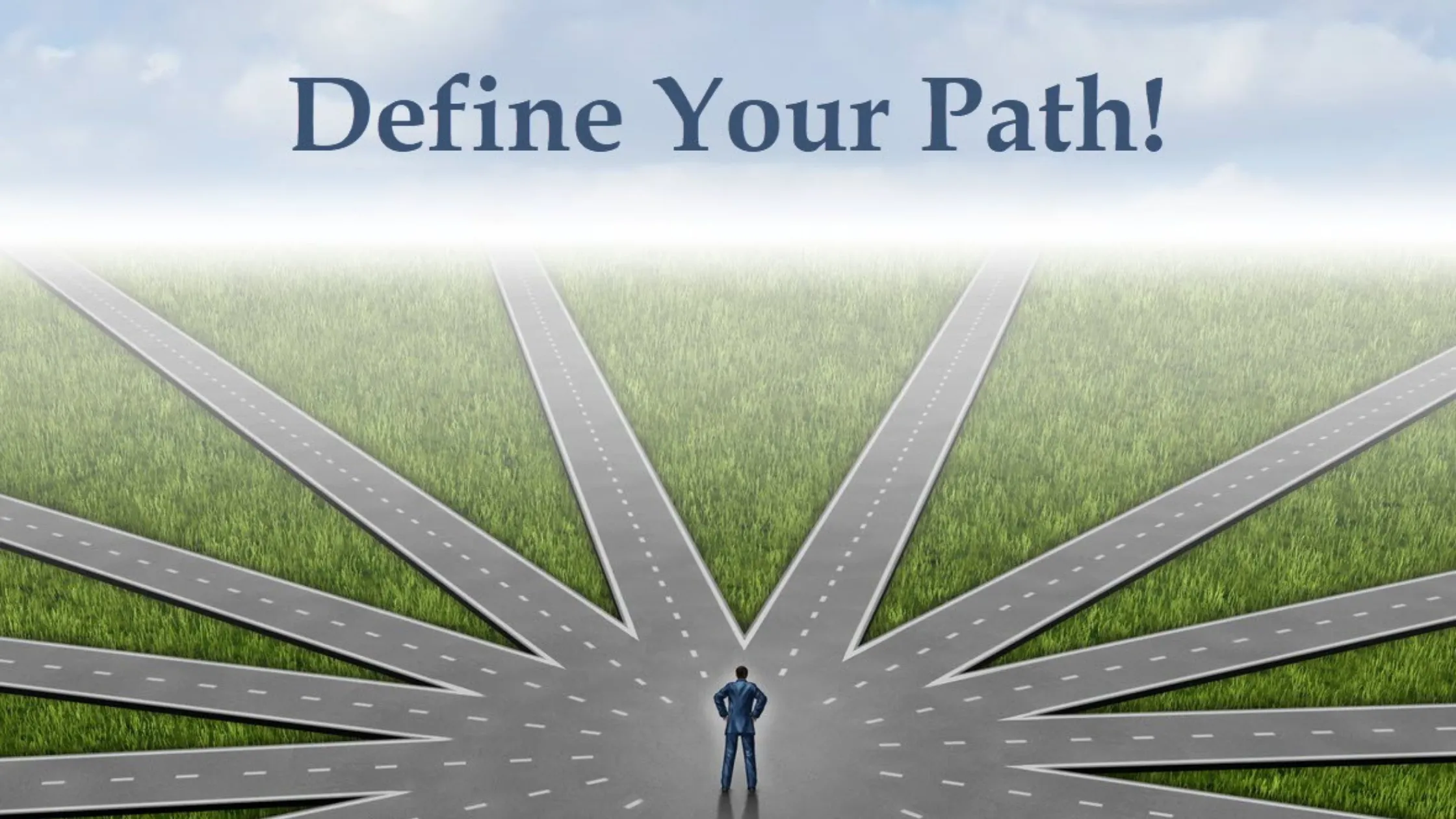
The digital marketing world is vast. You could be a:
- SEO Specialist
- Social Media Manager
- Google Ads Expert
- Content Strategist
- Email Marketer
- Web Analyst
- Influencer Marketer
- E-commerce Strategist
- Marketing Automation Expert
Before anything else, decide which domain excites you most. That way, you can go deep instead of just wide.
Step 2: Build a Digital Portfolio
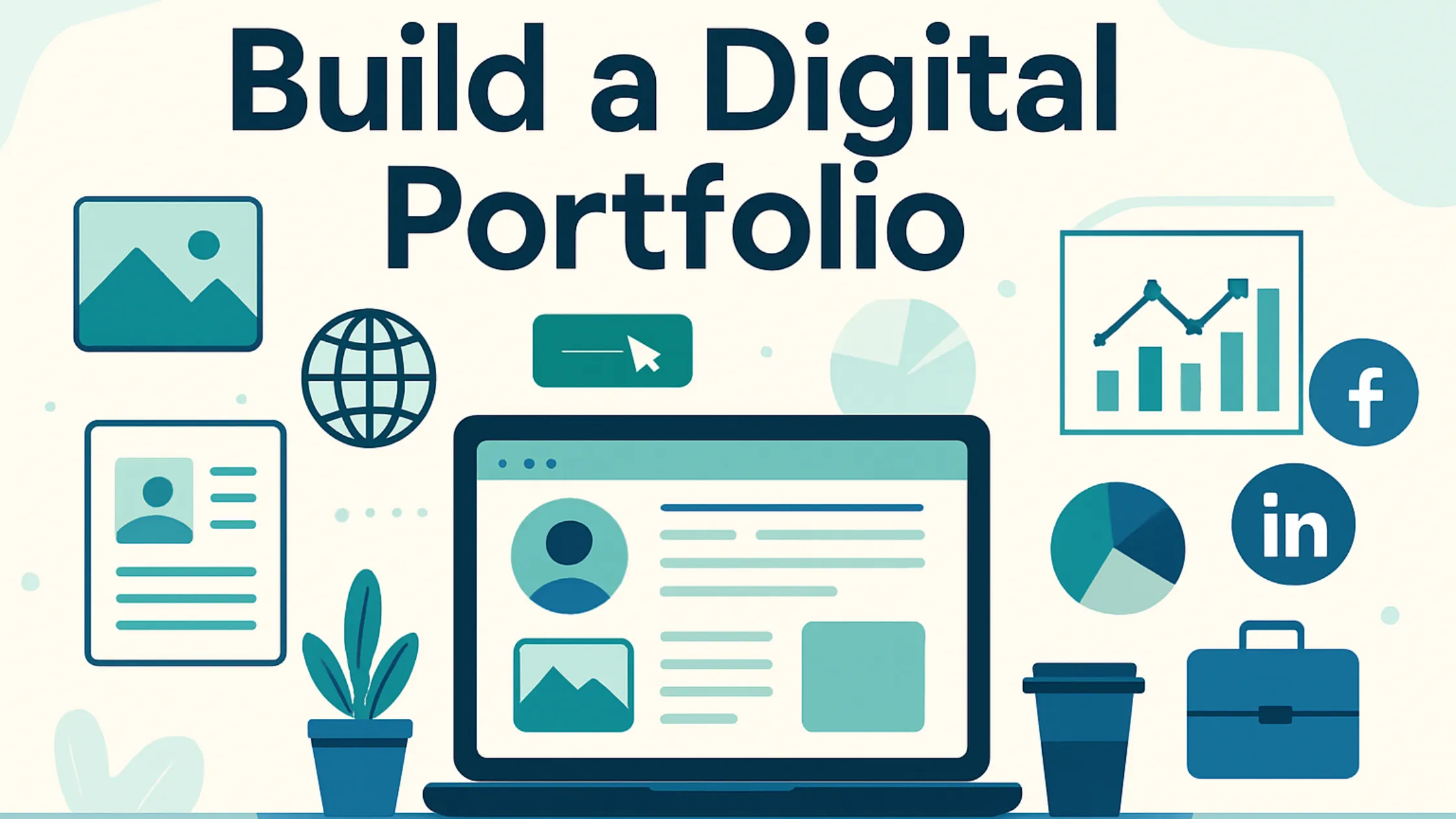
Your portfolio is more powerful than your certificate. Start showcasing:
- SEO results like ranked blog posts or case studies
- Google Ads campaigns (real or mock)
- Social media posts and engagement metrics
- Email campaigns or content mockups
- Websites or blogs you’ve designed or optimized
Even 2–3 strong examples can make your resume and profile stand out to potential clients or employers.
Step 3: Get Certified (Only if it Adds Value)
While your’s course taught you practical skills, certifications can add credibility—especially when applying for agencies, startups, or remote roles. Choose certifications that are recognized and relevant to your target job.
Popular ones include certifications in Google Ads, Content Marketing, Facebook Ads, SEO tools, and Analytics platforms. Don’t chase every badge, focus on ones aligned with your desired role.
Step 4: Polish Your Resume & LinkedIn
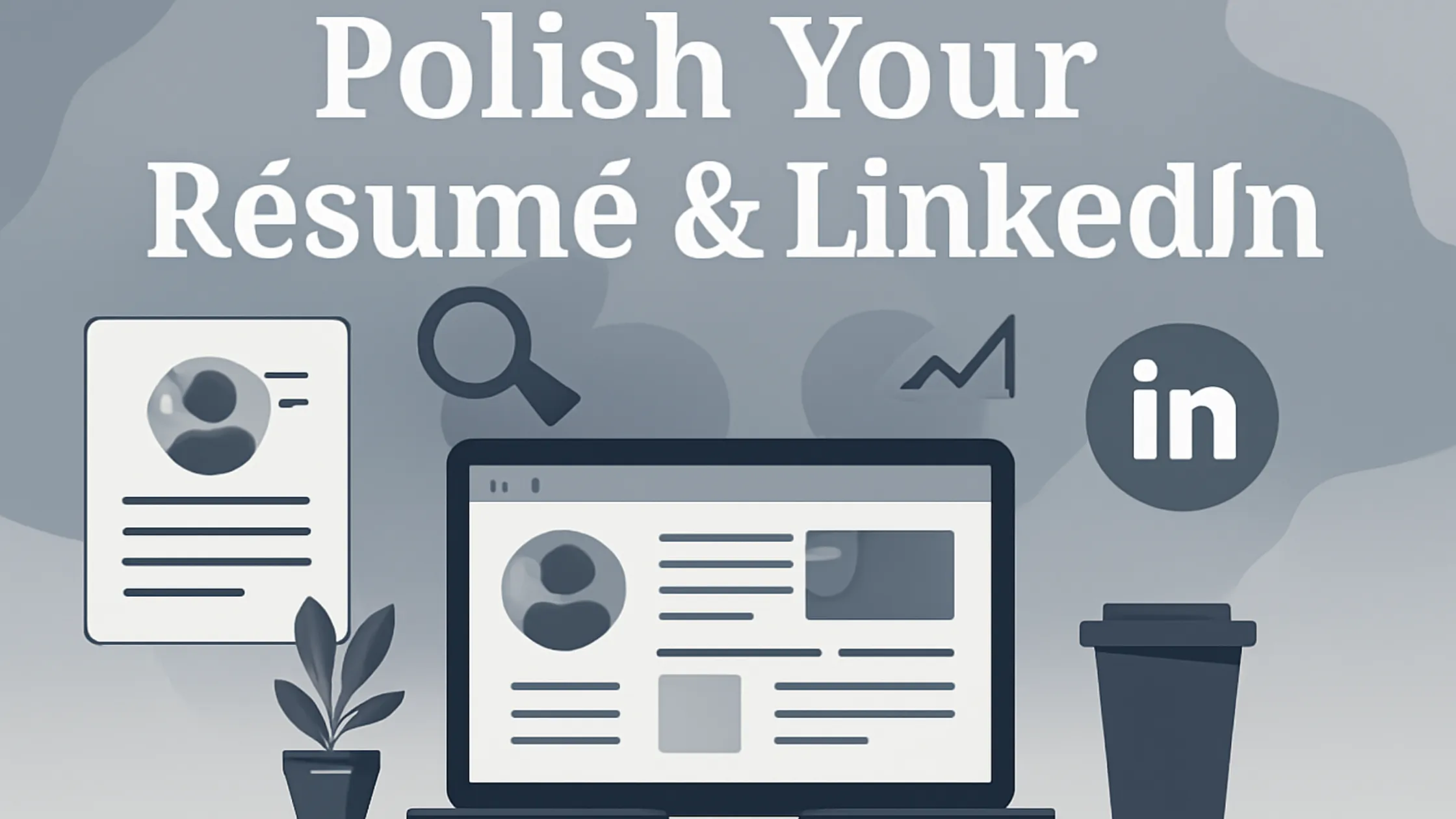
Now that you have skills, projects, and maybe certifications, it’s time to package everything professionally.
Resume Tips:
- Use industry-specific power words like “optimized,” “managed,” “analysed,” “launched”
- Include measure search results
- Highlight the tools and platforms you’ve used
For your LinkedIn profile:
- Use a clear, keyword-optimized headline
- Add a summary that speaks to your niche and interests
- Include project links and achievements in the featured section
Step 5: Start Freelancing or Interning while completing digital marketing course
Experience speaks louder than education in digital marketing. If you’re new to the field, look for internships, freelance gigs, or even volunteer for small businesses or startups.
Even unpaid work can help you:
- Gain confidence with real clients
- Create proof of your skills
- Collect testimonials
- Understand client expectations and workflows
- Start small. Every project adds to your credibility.
Step 6: Create a Personal Brand
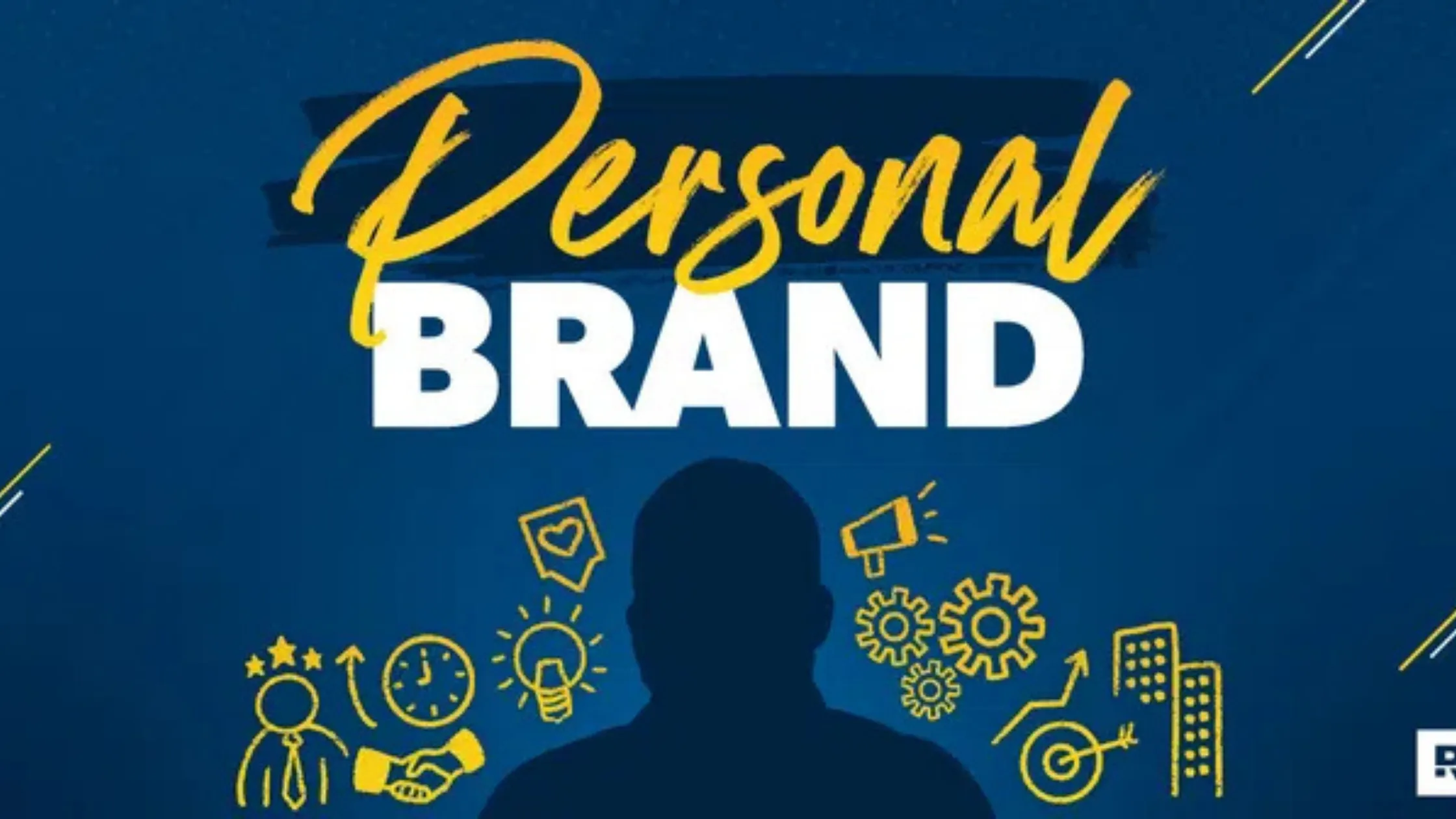
In digital marketing, you are your first client. Build your personal brand to show what you know and what you’re capable of.
You can start by:
- Sharing insights or content on LinkedIn or Instagram
- Writing blogs, making reels, or recording explainer videos
- Sharing your learning journey, project results, or how-to posts
- Creating mini case studies or carousel posts
People tend to hire or follow those who educate consistently. So show up—educate, don’t just promote.
Step 7: Keep Practicing Tools & Trends after completing digital marketing course
The digital world moves quickly. Trends come and go, platforms change, and new features are introduced all the time. After finishing your course, it’s important to stay up-to-date with the latest digital media developments and keep practicing your skills, this is essential for succeeding in modern marketing.
Key tools and areas to master:
- Google Ads and Meta Business Suite: Use these for setting up, running, and checking results of online ad campaigns.
- Google Analytics (especially GA4): Vital for understanding how people use your website, seeing what works, and finding areas to improve.
- Canva or Figma: Great for making eye-catching graphics, social media posts, and other creative materials.
- Email marketing tools (like Mailchimp): Help you send campaigns, organize your audience, and check how emails are doing.
- Automation tools (like Zapier): Let you connect different apps and set up workflows that save time and reduce repetitive work.
- CMS platforms (like WordPress): Make it easier to build, update, and manage websites and blogs without needing advanced technical skills.
- Analytics platforms and dashboards: In addition to GA4, tools like Looker Studio and Hot jar allow you to see what visitors do on your website—such as which pages they visit, where they click, and how they interact with your content.
Step 8: Start Applying Smartly (Don’t Mass Apply)
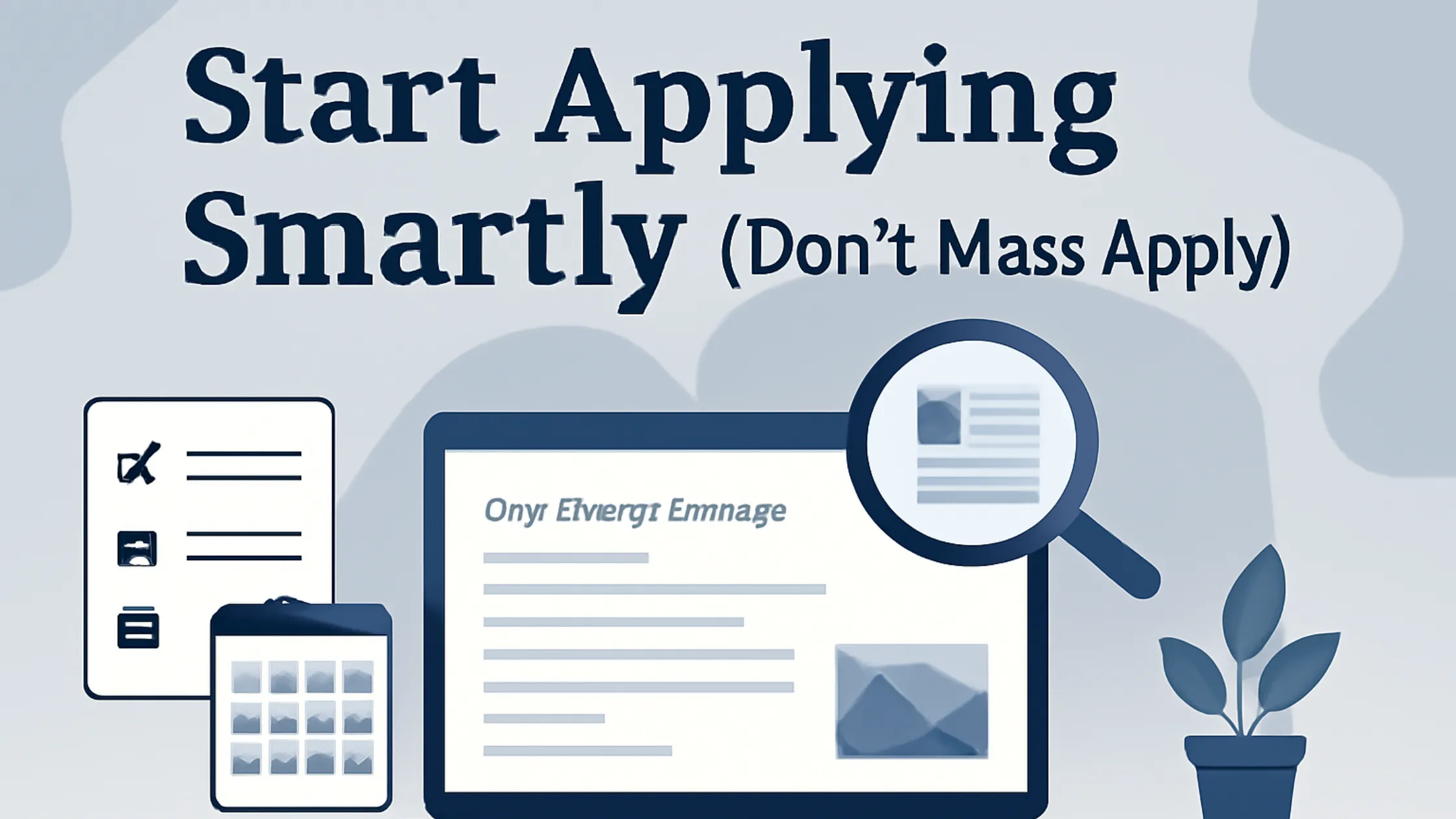
Avoid applying to hundreds of jobs with the same resume. Instead, take a targeted approach:
- Pick 5–10 companies or agencies you genuinely want to work with
- Learn about their business, digital presence, and competitors
- Prepare a short personalized email and send your CV along with a customized portfolio
- Show what you can do for them, not just what you’ve done
- Follow up professionally
This approach will give you far better results and responses than a bulk application strategy.
Step 9: Consider Advanced Specialisation
Once you’re confident in the basics, it’s time to specialise in a high-demand area. This helps you stand out in a saturated job market and allows you to command better pay.
Some high-growth niches in 2025 include:
- Performance Marketing (Google Ads, Meta Ads)
- Technical SEO and Schema Implementation
- AI-Driven Content Creation and Prompt Engineering
- Email Marketing Automation
- Data Visualisation and Reporting (Looker Studio, Excel, GA4)
You can continue your learning through mini-courses, workshops, or practical experience in these fields.
Step 10: Stay Consistent, Stay Curious
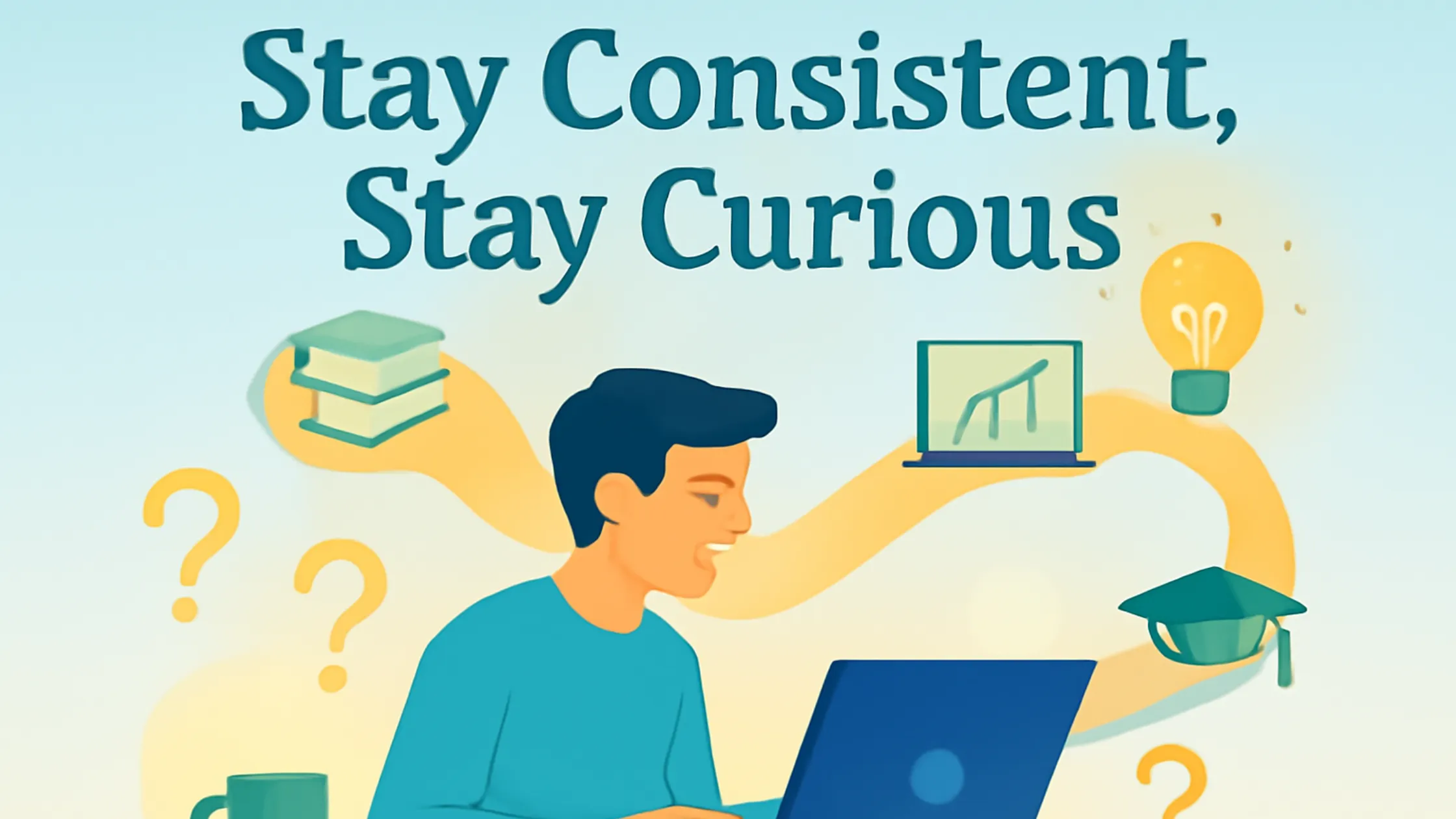
Digital marketing isn’t about one-time learning. It rewards those who keep practicing, experimenting, and adapting.
To grow faster:
- Stay updated with trends, platform changes, and algorithm updates
- Regularly upgrade your portfolio with new projects
- Reflect every 2–3 months on your skill gaps and progress
- Network with other marketers, join webinars, or attend local meetups
- Stay active on platforms like LinkedIn by engaging and sharing valuable content
- Consistency, curiosity, and community, these are your long-term assets.
Conclusion
What to do after completing a digital marketing course isn’t a one-size-fits-all answer, but it can be a clear, focused journey if you take the right steps. By identifying your digital marketing career path, building a strong portfolio, enhancing your resume, gaining real-world experience through internships or freelance work, and choosing a specialisation like SEO, PPC, or social media marketing, you set yourself up for long-term success.
The digital world offers limitless opportunities for growth, creativity, and career advancement. Whether you’re looking for a job, planning to freelance, or dreaming of launching your own digital marketing agency, now is the time to act. Don’t wait for opportunities to come your way. Go out, apply your skills, build your digital presence, connect with industry experts, and take control of your future.
Remember, completing a digital marketing course is just the beginning, what you do next is what truly defines your journey.